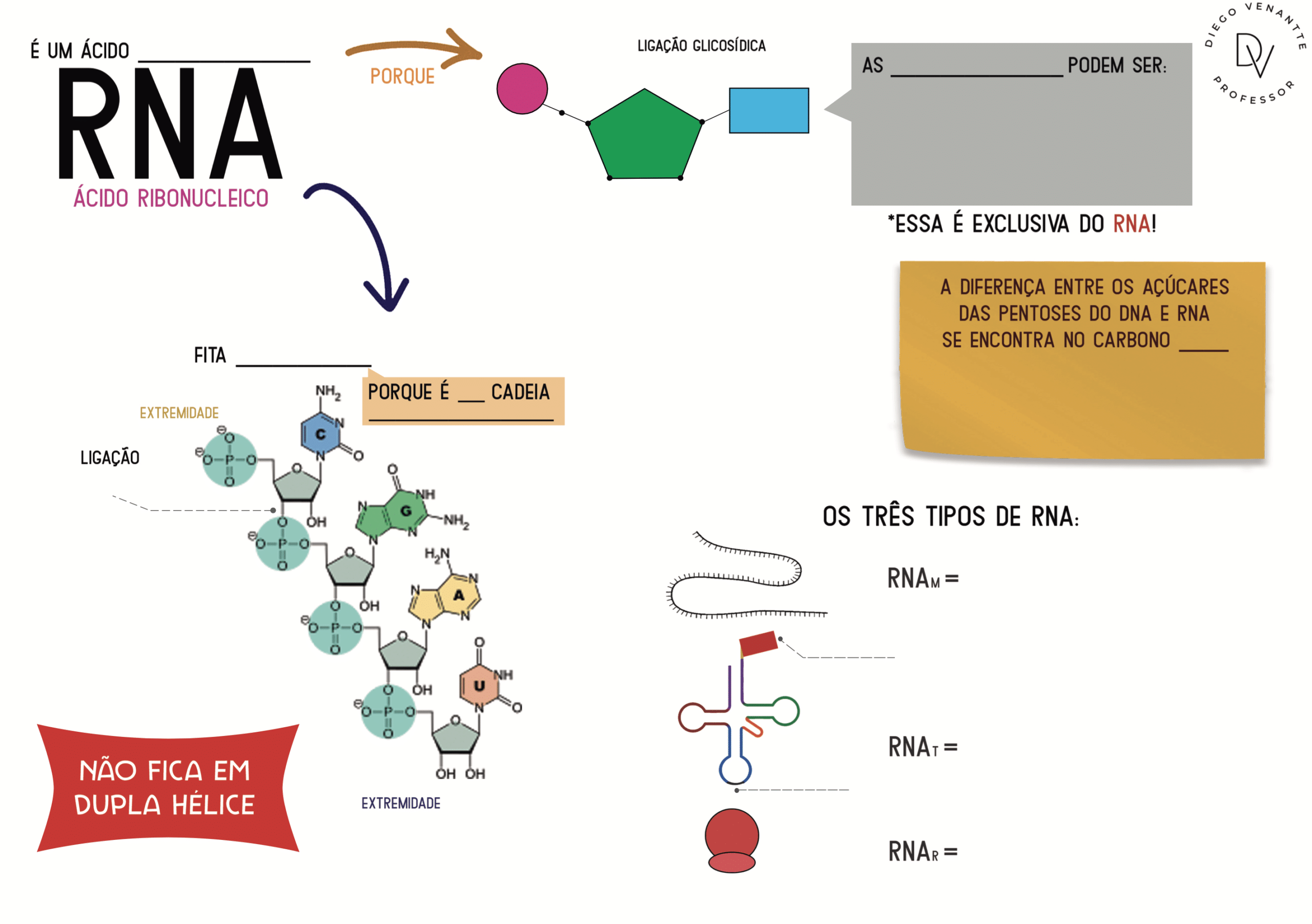
MAPA MENTAL – ESTRUTURA DO RNA
Os mapas mentais são ferramentas altamente eficazes para a organização e compreensão de conceitos descritivos e de processos biológicos, especialmente em conteúdos que exigem relações claras entre estrutura e função, como ocorre em todas as partes da Biologia.
Pensando nisso, disponibilizo o início de um mapa mental sobre a estrutura do RNA nas células. Ele foi cuidadosamente elaborado para servir como ponto de partida do seu estudo ATIVO — o desenvolvimento e término do conteúdo ficam por sua conta.
A proposta é simples e estratégica: utilizar as aulas como base para completar o mapa, fortalecendo a compreensão ativa do tema, a retenção de longo prazo e a capacidade de relacionar informações, exatamente como é exigido em provas de vestibular.
Blade design: where art meets aerodynamics
Modern engineering refines this simple idea through computer modeling, blade optimization, and real-time control systems to ensure that every gust of wind is used efficiently. Blades are the most critical component of a turbine’s performance. They’re long, lightweight, and precisely curved to capture maximum wind energy while minimizing drag. Engineers use materials like carbon fiber composites to balance strength and flexibility.
The power train: turning rotation into electricity
Once the blades turn, the rotor hub transfers mechanical energy through the main shaft into a gearbox, which increases rotational speed for the generator. The generator then converts this motion into electrical power.
Some modern turbines use direct-drive systems, removing the gearbox entirely. This reduces friction, maintenance, and mechanical losses — increasing reliability in harsh conditions.
- Wind flows across the blades and creates lift (similar to an airplane wing).
- The blades begin to rotate, turning the rotor hub.
- The rotor drives the main shaft, which transfers motion to the generator.
- The generator converts mechanical rotation into electrical power.
Smart systems & control technology
Every aspect of turbine design is driven by sustainability. Engineers focus not only on energy output but also on reducing material waste, improving recyclability, and designing systems that last decades with minimal environmental impact. From biodegradable lubricants to recyclable composite blades, wind turbine technology continues to evolve toward a fully circular design philosophy — one where every component contributes.
The engineering behind wind turbines represents the perfect balance of science and sustainability — transforming invisible air currents into tangible progress. As materials improve and digital systems evolve, wind energy will only become more efficient, accessible, and vital to the world’s clean energy transition.